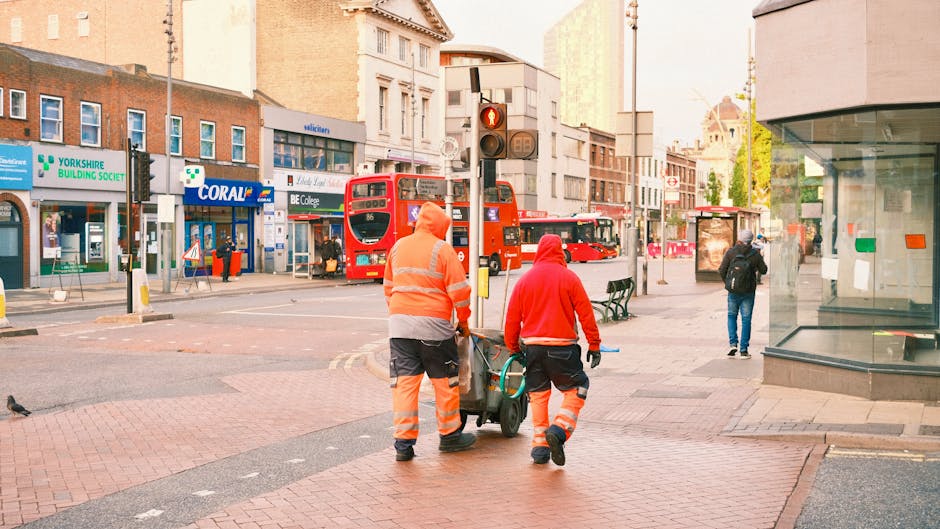
Pinner High Street rubbish removal guide for busy shops
Busy shopfronts do not leave much room for waste headaches. One box too many, a broken display unit near the door, a back alley pile-up, and suddenly the day feels harder than it should. This Pinner High Street rubbish removal guide for busy shops is built for exactly that reality: limited space, constant footfall, awkward delivery times, and the simple need to keep trading without the place looking cluttered or unsafe.
Whether you run a cafe, salon, boutique, convenience store, takeaway, or small chain outlet, rubbish builds up in ways that are rarely dramatic but always annoying. In practice, the best approach is not just "get rid of it" - it is to remove waste quickly, legally, and with as little disruption as possible. Below, you will find a practical guide to planning, handling, and improving shop rubbish removal around Pinner High Street, with clear advice on timing, compliance, and the day-to-day details that busy teams actually need.
If you also want a broader overview of commercial waste support, it can help to look at business waste removal and the wider waste removal options available for local premises.
Table of Contents
- Why it matters for busy shops on Pinner High Street
- How rubbish removal works in a trading environment
- Key benefits and practical advantages
- Who this is for and when it makes sense
- Step-by-step guidance
- Expert tips for better results
- Common mistakes to avoid
- Tools, resources and recommendations
- Law, compliance, standards, or best practice
- Options, methods, or comparison table
- Case study or real-world example
- Practical checklist
- Conclusion
- Frequently asked questions
Why Pinner High Street rubbish removal guide for busy shops Matters
Pinner High Street has the kind of rhythm that makes waste management feel more urgent than it might in a quieter location. Deliveries arrive, customers step in and out, staff are juggling tills, stock, and cleaning, and there is often no spare storage room behind the counter. In that setting, rubbish is not just untidy. It can interrupt trading.
A sensible rubbish removal plan matters because shop waste tends to appear in bursts. New stock packaging lands on a Monday morning. An old display needs replacing on a Wednesday. Cardboard stacks up after a seasonal promotion. Then there are the random items that nobody plans for - a cracked shelf, a worn chair in the staff area, a fridge that has finally given up. It adds up fast.
For busy shops, the goal is to prevent waste from becoming part of the retail experience. Customers should not have to step around sacks, smell stale packaging, or wonder if the rear entrance is safe. Staff should not lose time shifting rubbish around the premises. And the business should not be improvising every time a bin is full. To be fair, that kind of improvisation always seems fine right up until it is not.
There is also the reputational side. A clean frontage tells people you take the premises seriously. A cluttered shop side alley tells a different story, even if the products inside are excellent. That first impression matters more than many owners admit.
How Pinner High Street rubbish removal guide for busy shops Works
In simple terms, shop rubbish removal works best when you separate planning from collection. Planning means knowing what waste you produce, where it is stored, and when it can be cleared. Collection means arranging the actual removal in a way that fits around trading hours and access limitations.
For many shops, the process starts with a quick site review. What is being removed? Is it loose commercial waste, old furniture, damaged fittings, or mixed items from a refit? Are there stairs, narrow corridors, shared access points, or parking restrictions nearby? On a street like Pinner High Street, those details matter because even a small delay at the kerb can ripple through the whole day.
Then comes segregation. Some waste streams can be handled with general rubbish, while other items need specific treatment. For example, broken office-style furniture might be cleared with commercial waste support, but certain electrical items, appliances, or potentially hazardous materials need extra care. If you are unsure about anything awkward, a dedicated page like hazardous waste disposal is a good reminder that not every item belongs in the same pile.
After that, timing is everything. The best collections for busy shops are often early, late, or in narrow windows between customer peaks. If the team can remove waste before doors open, or after the evening rush, disruption drops dramatically. That sounds obvious, but in real life it is the bit people forget when the week gets hectic.
If your business also needs help clearing out stockroom items or redundant fixtures, you may find the specific services for office clearance and furniture disposal useful, especially for counters, shelving, seating, and back-room furniture.
Key Benefits and Practical Advantages
The obvious benefit is that your shop stays cleaner. But the real value goes further than that.
- Less disruption to trading: Waste is removed in a planned window instead of piling up during peak hours.
- Better customer experience: A tidy entrance, clear aisle space, and less back-of-house clutter all help the shop feel calmer.
- Safer working conditions: Staff are less likely to trip over boxes, squeeze past piles, or carry awkward items through narrow spaces.
- Faster turnaround during changes: Seasonal refreshes, refurbishments, and stockroom resets become easier to manage.
- More predictable operations: Once the business has a routine, waste stops becoming a weekly fire drill.
There is a quieter benefit too: people work better in a space that is not constantly fighting them. A clear stockroom, fewer loose boxes, and an easier rear access route can save minutes here and there. In a small shop, those minutes are surprisingly valuable. Over a month, they become real time.
Businesses that refresh displays often also use rubbish removal as part of wider premises upkeep. If that is your situation, related pages such as builders waste clearance can be relevant during refits or small works, while recycling and sustainability is worth considering if you want a more responsible disposal routine.
Who This Is For and When It Makes Sense
This guide is for any shop owner, manager, assistant manager, or landlord dealing with regular rubbish, bulky items, or short-notice clearances on or around Pinner High Street. It is especially useful if your business has limited storage, shared access, or a frequent need to move waste without blocking customers.
Typical users include:
- independent retailers with small back rooms
- cafes and food shops with packaging and equipment waste
- salons, barbers, and beauty businesses replacing furniture or fixtures
- convenience stores and corner shops with heavy cardboard volume
- pop-up retail units and temporary traders
- businesses preparing for refurbishments, move-outs, or stockroom resets
It also makes sense when the usual bin system is no longer enough. Maybe the landlord's bin store is full. Maybe collection days are awkward. Maybe staff are doing extra runs to a rear yard and it is slowing service. Or maybe you have inherited a stockroom that seems to collect forgotten items like a magnet. Happens all the time, honestly.
If the items are more domestic-style than commercial - for example, leftover stock furniture, old waiting-room seating, or shop equipment that has turned into "just move it out" clutter - services such as mattress and sofa disposal or furniture clearance may be more relevant than standard bagged waste collection.
Step-by-Step Guidance
If you want rubbish removal to run smoothly, do not start with the van. Start with the plan. A tidy process usually takes only a bit more thought than a chaotic one, but the difference is night and day.
- Identify every waste type on site. Separate cardboard, general rubbish, damaged fixtures, electrical items, and anything potentially hazardous.
- Measure volume honestly. A "few boxes" in a busy shop can become a heap by the end of the day. Be realistic.
- Check access points. Rear alleys, side doors, loading bays, and stairwells all affect the removal plan.
- Choose the least disruptive time. Early mornings or quieter trade windows are usually best. The right slot saves stress.
- Keep items grouped. If one team member knows what stays and what goes, the job moves faster. Very simple, very effective.
- Confirm what cannot be mixed. Appliances, sharps, liquids, confidential papers, and hazardous material should be set aside properly.
- Prepare the area before collection. Clear a path, move customers away from the working route, and make sure staff know what is happening.
- Document anything sensitive. If you are disposing of records or customer documents, use a proper route such as confidential shredding.
- Review after the job. Ask what caused the most delay and fix it for next time.
One small but useful habit: keep a "clearance corner" or designated holding area, even if it is just a marked section of the stockroom. Waste that has a home is less likely to drift into customer space. That alone can change the feel of the shop.
Expert Tips for Better Results
Here is where the practical detail really pays off. The most efficient shop clearances are rarely the biggest. They are the ones where everyone knows the drill.
Tip one: batch your removals. If you know that cardboard, old shelving, and broken fittings appear every month, do not treat each as a separate emergency. Build a predictable collection pattern. It makes the workload feel lighter, and it is easier for staff to remember.
Tip two: keep bulky items apart from bagged waste. A chair, counter panel, or fridge takes time to move and load. If it is buried behind loose rubbish, you lose momentum before the work has even started.
Tip three: use the quiet moments. In retail, there is often a ten-minute lull around opening, just after lunch, or later in the evening. Those windows are ideal for shifting items to a staging area. Small moments, but they matter.
Tip four: protect customer-facing areas first. If the front of house looks clean, the business still feels open and professional even while the back is being cleared. Most customers never see the stockroom, and that is probably for the best.
Tip five: ask the awkward questions early. Is the item heavy? Does it contain refrigerant or electrical parts? Is the waste mixed with packaging and food residue? The earlier you ask, the less likely you are to get caught out halfway through a collection.
If appliances are part of the problem, a dedicated service such as fridge and appliance removal is often the cleaner solution. For premises that need a broader tidy-up, insurance and safety information is also worth checking so you know what should be covered before work starts.
Common Mistakes to Avoid
Most waste problems in busy shops are not dramatic mistakes. They are the small, repeated ones. Easy to miss. Annoying later.
- Leaving everything until the last minute: Once waste blocks the pathway, the job becomes slower and more stressful.
- Mixing too many waste types: It is tempting to shove everything into one pile. It saves time for about five minutes.
- Forgetting access constraints: A van may be booked, but if the route is blocked by deliveries or parked cars, the collection stalls.
- Assuming all items are ordinary rubbish: Electrical equipment, chemicals, and certain shop materials need the right treatment.
- Not briefing staff: One person tidies the path while another fills it again. Very common, very avoidable.
- Underestimating smell and residue: Food waste, old soft furnishings, and damp cardboard can make a stockroom unpleasant fast.
Another mistake is overlooking the storage side. If your waste sits outside for too long, you may end up with a mess that attracts complaints from neighbours or makes the frontage look neglected. In a high street setting, that matters more than people think.
A final one: not keeping documentation where needed. For business waste, some records are worth holding on to. Keep invoices, waste transfer details if provided, and any safety notes with your premises file. Boring, yes. Helpful later, absolutely.
Tools, Resources and Recommendations
You do not need fancy systems to manage shop rubbish well, but a few simple tools make life easier.
- Clearly labelled bins or sacks: Use separate containers for cardboard, general waste, and sensitive material.
- A basic stockroom map: Mark where bulk waste waits for collection and where staff should not leave items.
- Reusable trolleys or dollies: Handy for moving boxes and compact furniture without lifting everything by hand.
- Wrap and label materials: Useful for damaged fixtures, loose parts, and sharp edges.
- Short staff instructions: A one-page waste process sheet can be enough.
For businesses that want broader planning support, the site's pricing and quotes information can help with budgeting, while book online is useful when you need to fit a clearance around a trading schedule without a long back-and-forth. If you are weighing the environmental side of disposal, the recycling and sustainability page offers a sensible next step.
And if you are dealing with a more general build-out or strip-out situation, what can go in a skip is a practical reference point for understanding what usually belongs together and what does not. It is the sort of thing people only look up after the first headache, naturally.
Law, Compliance, Standards, or Best Practice
Waste handling for shops in the UK is not just a tidiness issue. There are legal and practical duties around keeping waste controlled, stored safely, and passed to the right kind of carrier or disposal route. The exact requirements depend on the waste type and the premises, so it is wise to take a cautious approach rather than assume everything is routine.
As a general rule, business waste should be managed separately from household waste, and sensitive items should be destroyed or handled securely. Electrical goods, appliances, and hazardous items can need special treatment. If you are unsure, get clarity before they are mixed into general rubbish. That is where avoidable problems begin.
Best practice for busy shops usually includes:
- storing waste so it does not block exits or customer routes
- keeping outdoor storage areas tidy and secure
- making sure staff know which items need separate handling
- choosing a removal method that matches the waste stream
- keeping records where your business process requires them
It is also sensible to check a provider's safety and insurance information before booking. A clear process, proper equipment, and a professional approach reduce the risk of damage, injury, and disruption. If something feels vague, ask. Better to spend two minutes asking than two hours fixing a bad decision.
Options, Methods, or Comparison Table
Different shops need different rubbish removal methods. The right choice depends on volume, urgency, access, and the type of waste involved. Here is a straightforward comparison.
| Method | Best for | Pros | Watch-outs |
|---|---|---|---|
| Regular bin collection | Light everyday waste | Simple, familiar, low effort | Not suitable for bulky items or sudden clearances |
| Planned business waste removal | Ongoing shop waste and mixed commercial rubbish | More flexible, better for busy premises | Needs clear sorting and scheduling |
| Bulky item clearance | Furniture, counters, shelving, broken units | Good for one-off changes and refurb work | Access and lifting need planning |
| Specialist disposal | Appliances, confidential waste, hazardous items | Safer and more appropriate for regulated items | Must be matched carefully to the item type |
If a shop is in full trading mode, the best answer is often a blend: routine waste handling for the daily stream, plus occasional clearances for bulky or awkward items. That mixed approach is not glamorous, but it works.
Case Study or Real-World Example
Consider a small independent shop on a busy high street. The business has cardboard deliveries most mornings, a compact back room, and a growing stack of old display materials after a seasonal reset. Nothing dramatic. Just enough to become a nuisance.
At first, staff were moving waste into the rear passage whenever they had a spare minute. By Friday, the passage was tight, the bins were overfull, and a broken shelf had been left leaning against the wall for "later". Later, of course, never came at the right time.
The fix was simple. The manager created a weekly clearance slot before opening on a quieter day, grouped cardboard separately from bulky items, and kept one corner of the stockroom as the staging point. A small amount of planning reduced daily friction almost immediately. Staff could move more freely, the shop looked tidier, and there was less of that low-level stress you feel when clutter starts nibbling at the edges of the day.
That is usually how it goes. Not with a dramatic overhaul. More with a few better habits repeated consistently. The "big improvement" is often just a chain of little ones.
Practical Checklist
Use this checklist before arranging rubbish removal for a busy shop on Pinner High Street.
- Sort waste into general, bulky, recyclable, and specialist items.
- Identify anything hazardous, sharp, wet, or confidential.
- Measure the volume and note any heavy items.
- Check all access routes, doors, and parking constraints.
- Choose a time that avoids the busiest customer periods.
- Clear a safe working path through the premises.
- Brief staff on what stays, what goes, and where items should be placed.
- Keep paperwork and safety notes together.
- Review whether the shop needs a regular collection pattern after the job.
Expert summary: The best rubbish removal system for busy shops is the one that is easy to repeat. Keep sorting simple, choose low-disruption timing, and handle awkward items separately. Small habits, done well, stop rubbish from taking over the trading day.
Conclusion
For busy shops, rubbish removal is really about control. Control of space, control of timing, and control of how the business presents itself to the street. On Pinner High Street, where trading can feel constant and space is precious, that control is worth a lot.
The good news is that you do not need a complicated system. You need a sensible one: sort waste properly, remove it at the right time, keep access routes clear, and treat bulky or sensitive items with extra care. If you do those things consistently, the whole shop feels easier to run. Less clutter. Less rushing. Less of that end-of-week scramble that everyone secretly dislikes.
If your business is getting to the point where waste is beginning to interfere with service, now is the right time to tighten the routine and choose a clearance approach that fits the way you actually work. A little planning today makes next week calmer. And calm is underrated in retail.
Get a free quote today and see how much you can save.
When the back room is clear and the frontage feels tidy, the whole day tends to breathe a bit easier. That counts for more than most people realise.
Frequently Asked Questions
What is the best rubbish removal option for a busy shop on Pinner High Street?
The best option depends on the waste type and how often it builds up. For everyday rubbish, regular business waste handling usually works well. For bulky items, a one-off clearance is often easier. Many shops use both.
How can a shop avoid disruption during rubbish collection?
Book collections outside peak customer times where possible, clear the route in advance, and keep waste in one staging area. A small amount of preparation makes a big difference in a tight shop.
Can a shop mix cardboard, packaging, and old fixtures together?
It is better not to. Mixed waste is harder to manage and may not be suitable for the same disposal route. Separating items also speeds up loading and reduces confusion on the day.
What should a shop do with broken furniture or old counters?
Bulky items should usually be set aside for a dedicated clearance. If they are part of a broader refit, services like furniture clearance or builders waste clearance may be more appropriate than standard bagged waste collection.
How often should a busy shop arrange rubbish removal?
That depends on trading volume, stock turnover, and storage space. Some shops need weekly support; others can manage with less frequent clearances plus good bin discipline. The right rhythm is the one that prevents overflow.
Do shops need to keep records of waste removal?
It is sensible to keep invoices and any relevant waste paperwork as part of your business records. The exact requirements depend on the waste type and your internal process, so keeping documentation tidy is simply good practice.
What waste items need extra care?
Appliances, electrical items, confidential documents, sharp objects, and anything potentially hazardous should be handled separately. If there is any doubt, do not mix it into general rubbish.
How can a small shop manage rubbish if storage is limited?
Use a clear staging corner, remove waste more frequently, and separate bulky items from everyday rubbish. A small footprint does not have to mean a messy one - it just means the system has to be tighter.
Is it better to use a general waste service or a specialist clearance service?
If the waste is routine and lightweight, general waste support may be enough. If you are clearing furniture, appliances, confidential items, or mixed bulky rubbish, a specialist clearance is usually the cleaner choice.
What is the biggest mistake shops make with rubbish removal?
The most common mistake is waiting until waste becomes a problem before acting. Once the stockroom is cramped or the rear access is blocked, everything becomes harder. Prevention is far easier than rescue.
How do I know if a disposal method is suitable for my shop waste?
Look at what the item is made of, whether it contains electronics or hazardous elements, and whether it can be safely moved through your premises. If the answer is unclear, ask before booking. That one pause can save a lot of trouble later.
Can rubbish removal help during a shop refit or rebrand?
Absolutely. Refits create packaging, damaged fittings, and old fixtures very quickly. A planned clearance keeps the site workable and helps the shop reopen or relaunch with less mess hanging around.
Where can I learn more about booking and payment?
You can review pricing and quotes and payment and security for more detail before arranging a job. It is a sensible way to compare options without rushing.